
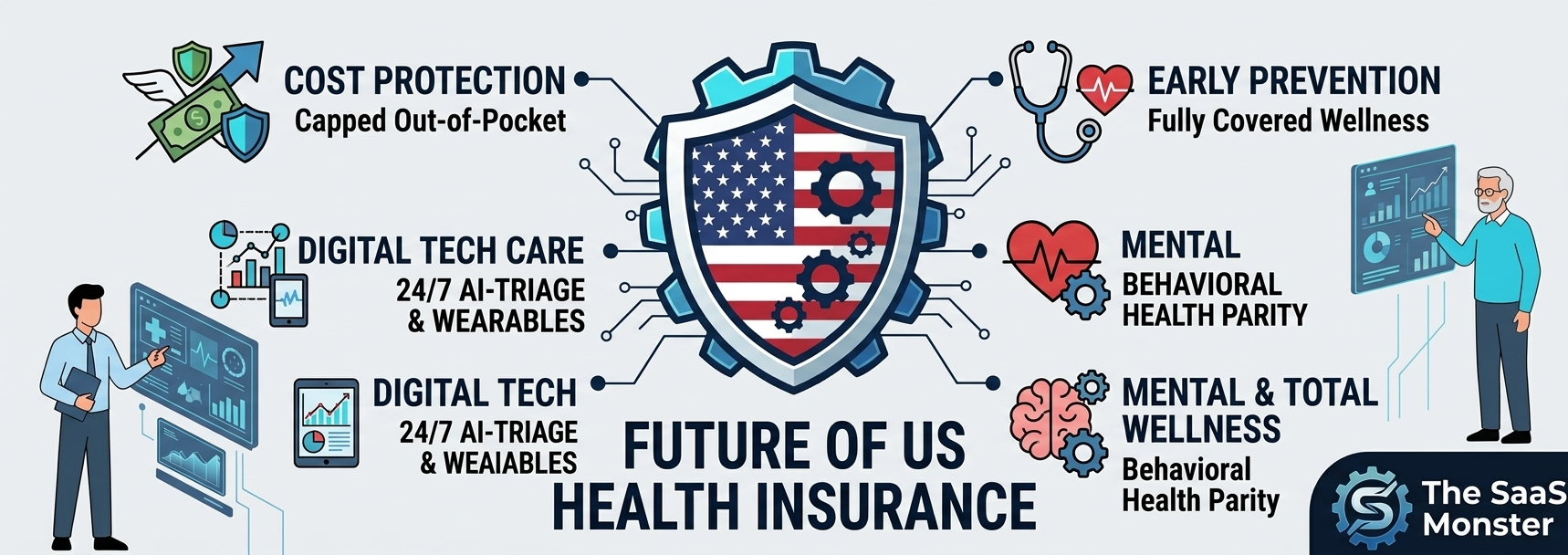
The healthcare ecosystem in the United States is rapidly evolving. Rising medical costs, emerging medical technologies, and changing policy models make health insurance more critical than ever before for managing unexpected health and financial risks.
For individuals, families, and business owners looking ahead to the future of US healthcare, understanding why comprehensive coverage is essential provides a strong foundation for long-term security. Here is an in-depth look at why health insurance remains indispensable.
1. Shielding Against Escalating Medical Expenses
The primary goal of health insurance is to protect policyholders from severe out-of-pocket financial strain caused by sudden illness or severe injury.
-
High Cost of Emergency Care: Emergency room visits, surgical interventions, and intensive care admissions routinely incur tens of thousands of dollars in hospital bills without an active policy.
-
Advanced Medical Diagnostics: Modern diagnostic procedures, high-resolution imaging, and specialized genetic screenings carry significant upfront costs.
-
Annual Out-of-Pocket Caps: Regulated insurance plans set maximum annual out-of-pocket limits, ensuring insurers cover 100% of essential health services once thresholds are met.
2. Early Detection and Next-Generation Preventive Care
Modern healthcare models prioritize early intervention and long-term wellness over reactive medical treatment.
-
Covered Preventive Screenings: Under core public and employer guidelines, annual wellness check-ups, routine immunizations, and preventive diagnostic screenings are covered without extra cost-sharing.
-
Proactive Chronic Disease Management: Regular primary care consultations help individuals spot and manage chronic conditions early, preventing expensive health crises later.
3. Preserving Financial Stability and Assets
Medical debt continues to be a main cause of personal bankruptcy in the United States. Health insurance serves as a primary barrier to safeguard savings and long-term assets.
-
Negotiated Provider Rates: Insurance companies contract with network doctors and medical centers for lower, negotiated prices. Insured patients benefit from these discounted rates directly.
-
Protecting Retirement Funds: Without adequate medical coverage, sudden healthcare emergencies can quickly drain family emergency funds, college savings, and home equity.
4. Next-Gen Tech and Modern Healthcare Integration
The future of American healthcare heavily incorporates intelligent digital tools to improve patient outcomes and administrative efficiency:
-
24/7 AI-Augmented Telehealth: Leading insurance networks now offer instant access to digital triage, virtual care doctors, and remote mental health counseling.
-
Remote Patient Monitoring (RPM): Health plans increasingly subsidize wearable wellness devices, encouraging real-time tracking for conditions like hypertension and diabetes.
-
Automated Claims Processing: Insurtech platforms streamline claim verification, speeding up processing times and eliminating manual administrative delays.
5. Comprehensive Mental Health & Wellness Benefits
Modern medical care recognizes that full health requires both physical and emotional support systems.
-
Mental Health Parity: Federal regulations require major insurance plans to treat mental health services and substance abuse treatments on equal footing with medical and surgical care.
-
Integrated Wellness Programs: Modern policies regularly include coverage for digital therapy platforms, stress management resources, and incentivized physical fitness routines.
6. Long-Term Peace of Mind
Beyond financial spreadsheets and risk calculations, holding solid health coverage provides true peace of mind. Knowing that medical care is readily available allows individuals to focus on personal goals, family responsibilities, and career growth without constant financial anxiety.
The SaaS Monster Verdict
Looking forward, health insurance in the USA is far more than a monthly bill—it is a vital financial asset. By offsetting high treatment costs, enabling preventative care, and offering access to modern digital health tools, maintaining quality coverage remains fundamental to long-term financial stability and personal well-being.